Suraiya Jiwani Contributor
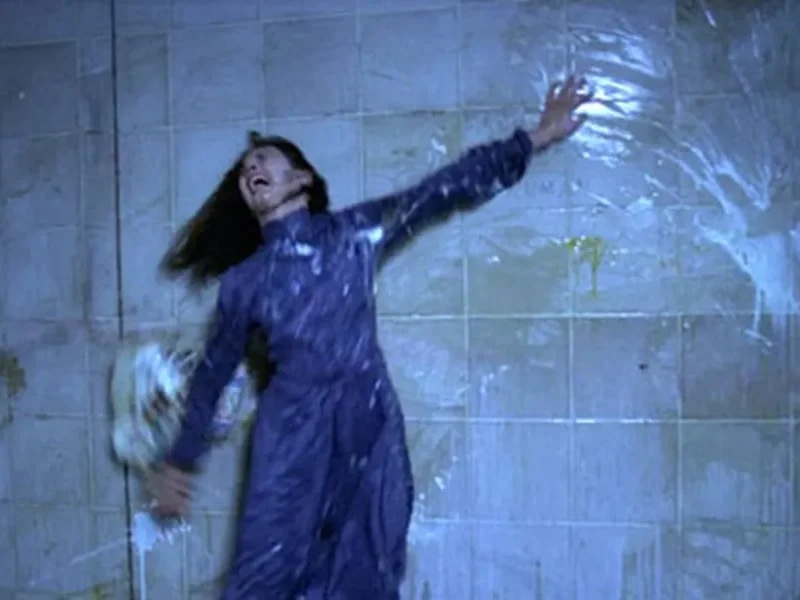
A character fuelled by rage and violence is the exact opposite of what society expects a woman to be. And yet, these characters are some of the most celebrated roles in literature and media. Across centuries of creative work, the ‘madwoman’ archetype has become an outlet for discomfort with women’s anger, ambition, and desire. Female rage has been both celebrated as an act of liberation and condemned as a descent into insanity. When women express anger, they risk crossing a boundary that can be hard to come back from. Portrayals of female madness are abundant and diverse — there are those who weaponize it, become consumed by it, or disintegrate as they fall victim to it.
Madness is Liberating: Lady Macbeth, Macbeth (1623)
Lady Macbeth’s madness is intentional, strategic, and political. Her husband gets all the glory, but it was ultimately Lady Macbeth who planted the seed of violence. When Macbeth spirals as he realizes he has murdered Duncan, Lady Macbeth must clean up his mess, both literally and figuratively. She cleans the crime scene, frames the guards, and tucks her husband into bed before washing her hands of another man’s blood, all the while remaining completely devoid of emotion. But, when Duncan’s body is discovered the next morning, Lady Macbeth ‘faints’ at hearing the news — it’s simply too much for a lady to handle. Frankly, she knows how to work misogyny and sexist stereotypes in her favour. As she begins to unravel, Lady Macbeth is treated with an air of tragic dignity. Her ambition competes with her guilt, ultimately making her a complex person, not a monster. Lady Macbeth’s madness is inherently a manifestation of the repression she had faced throughout her life, suggesting that her collapse is just as much society’s fault as it is her own.
Madness is Dangerous: Love Quinn, You (2021)
Love Quinn’s madness is impulsive and uncontrollable. She acts in what she believes to be the best interests of herself, her loved ones, and sometimes, society. However, almost all her violent acts stem from jealousy, possessiveness, and overall erratic behaviour. Her soulmate, the murderous Joe Goldberg, is presented as extremely intelligent and methodical, whereas Love’s violence is unhinged and dangerous. This double standard is very clearly illustrated between these two characters and undercuts any feminist potential that her rage might have had. Love Quinn is written for the male gaze, diminishing and aestheticizing her madness. There seems to be no deeper meaning behind her rage; most of her reasoning does not extend much further than her own wants and desires. Love Quinn is not a challenge to the patriarchy — she is a warning about unstable women.
Madness is a Spectacle: Harley Quinn, early comics
Harley Quinn’s madness is amusing, sexy, and adorable. While modern adaptations of Harley Quinn have painted her with clearer feminist undertones, her origins began as a court jester-type of character: only present for someone else’s entertainment. Harley Quinn was driven mad by love, directly supporting the stereotype of women as emotionally fragile and easily manipulated. It’s no secret that early versions of Harley were created only for male pleasure — cute outfits, playful with her sexuality, and consistently submitting herself to the Joker’s validation. This dynamic turns her madness into a spectacle where she is allowed to be unstable, as long as her chaos is entertaining and controlled by the Joker. When she acts out, Harley expresses childish mannerisms, reinforcing the idea that women’s emotions are fickle and able to be manipulated, rather than stemming from morals. Early Harley Quinn serves a clear patriarchal function to reaffirm male control and trivialize women’s emotions. Her madness is cute, never threatening.
Ultimately, even as feminist values come into the forefront of media, society continues to frame female rage in strict definitions and binaries. The ‘madwoman’ endures because she embodies a reality that is not so different from our own: a woman who refuses silence, even if it costs her her life. Whether depicted as liberated, dangerous, or inconsequential, she reveals how tightly womanhood is policed by societal expectations of emotional restraint. In the end, the fate of her rage is determined by who tells her story.






Leave a Reply