Eleni Koumoundouros Opinions Editor
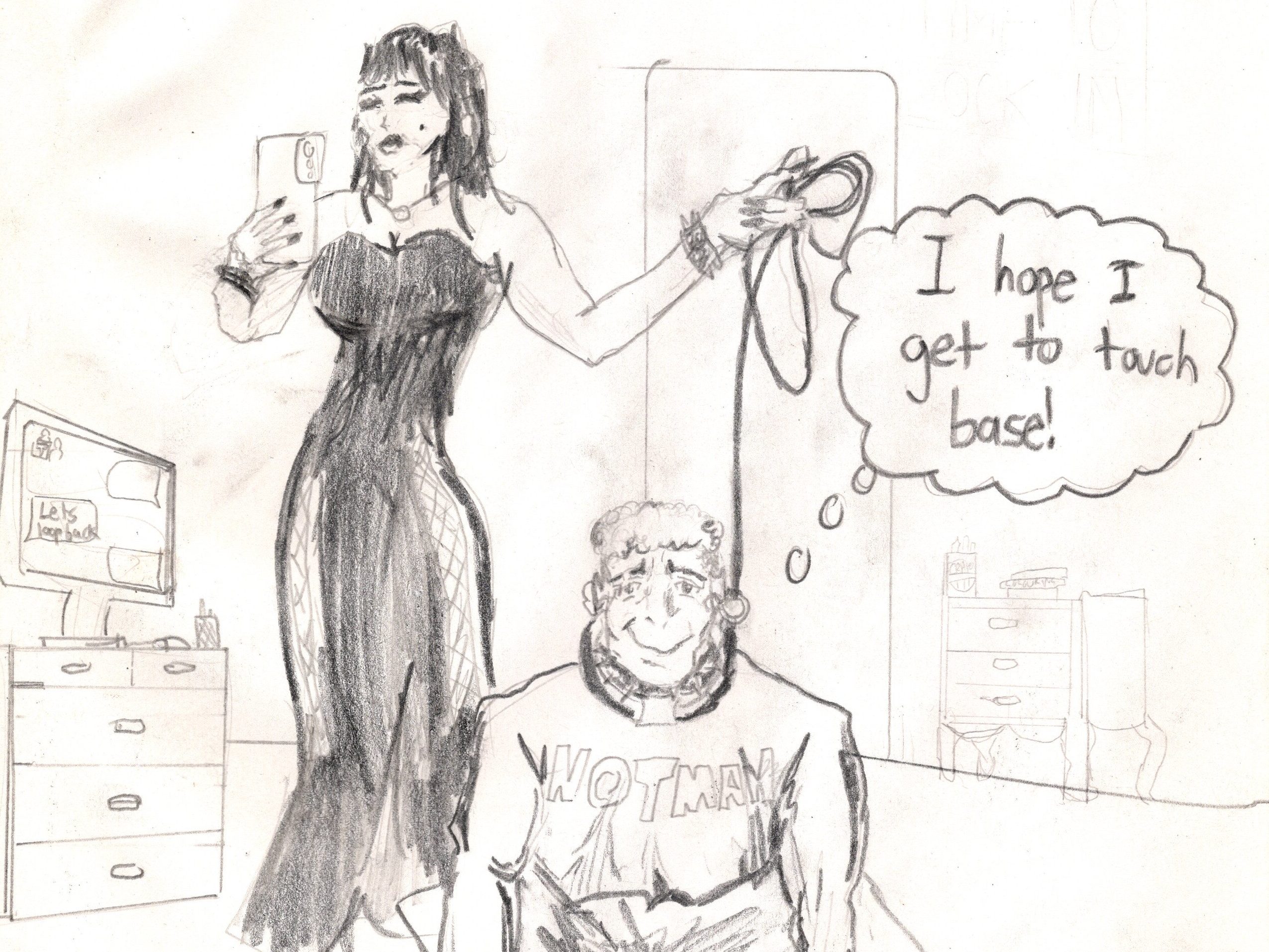
I’m certain any somewhat alternative-presenting women, myself included, have heard comments from a man about how they “want an alt/goth baddy/mommy to spoil/take care of them” (circle all that apply). I can almost guarantee, too, that they were not remotely close to the subculture they were referring to, and chances are, that man saw a Bell Delphine video once at 14 and assumed any woman with unnatural hair and a liking for dark colours was going to save them.
This sort of mindset around alternative women, I find, started when the manic-pixie-dream girl trope became popular in films, around the mid/late 90s, with characters like Clementine in Eternal Sunshine of the Spotless Mind, followed by Ramona Flowers in Scott Pilgrim, where a girl with a lick of uniqueness saves a man who is depressed, and this idea became sexualized online. Eventually, in the mid-2010s, the rise in online pornography and porn star accounts on social media sites like TikTok and Instagram allowed porn stars to have access to a larger audience, letting stars like Bell Delphine become popular, the “e-girl” that I think started this weird goth-porn timeline. Now, in 2026, we have videos of Drake with goth porn stars, goth porn star content houses, and OnlyFans models galore that use the fetishization that has been built around alternative women to turn a profit — arguably the least alternative thing a person can do.
Identifying with alternative cultures and subcultures has turned into a shallow version of what the communities used to be. When politics, music, and social groups were the basis for identifying with a group, and fashion came as a secondary aspect, the requirements to identify as alternative have been diluted into fashion and social presentation and drawn back completely from involvement in politics. You see people on social media sites like TikTok and Instagram coining terms like “TikTok/Shein/Copy-paste goth/emo” and large fast-fashion companies making clothes that cater towards this “alt” audience, even though the basis of many alternative cultures is anti-capitalism and minimal consumption. And when you look at the popularity of adult content models who use alternative fashion and make that face — the crossed-eyed, tongue-out, God-I-wish-I-could-forget-that-face — the meaning of the culture becomes lost.
This has only gotten worse with social media, where popular videos, like Drake’s video with Nelk, where he chooses the popular Instagram model Pinkchyu in a lineup of 20 women, followed by him calling her his “goth baddie,” and the music video in Hot Topic, perpetuate these dilutions of goth culture in modern media. Most of the people who fetishize the “alternative” women they love so much online wouldn’t even vote for the politics that real alternative culture would promote and support. And you can’t blame the women who participate in this fetishization (entirely). The truth is, sex will always sell, and if there is a way to guarantee more financial security in an already illusive and risky line of work, then it’s understandable why the alternative caricature seems like an easy route to follow. But the other side of the issue is that, by reducing communities and identities that have existed long before the internet into digestible, one-dimensional costumes (for lack of a better word), the people who identify with these communities, who do not participate in that line of work, and who do not want to be reduced to a male fantasy are also affected.
The reality of goth/alternative culture in its current era is that it’s losing its meaning, online at least, in the pop-culture wave. What used to be a political and music-based movement has branched off into fetishization and appearance-based values that ignore a lot of the original demands of these groups. I don’t know if we will continue to see a removal from the OG culture, or if real alternative culture will be resurgent, but we can’t expect change to happen when individuals are profiting off the fantasies of men.

Leave a Reply